Artistic approach
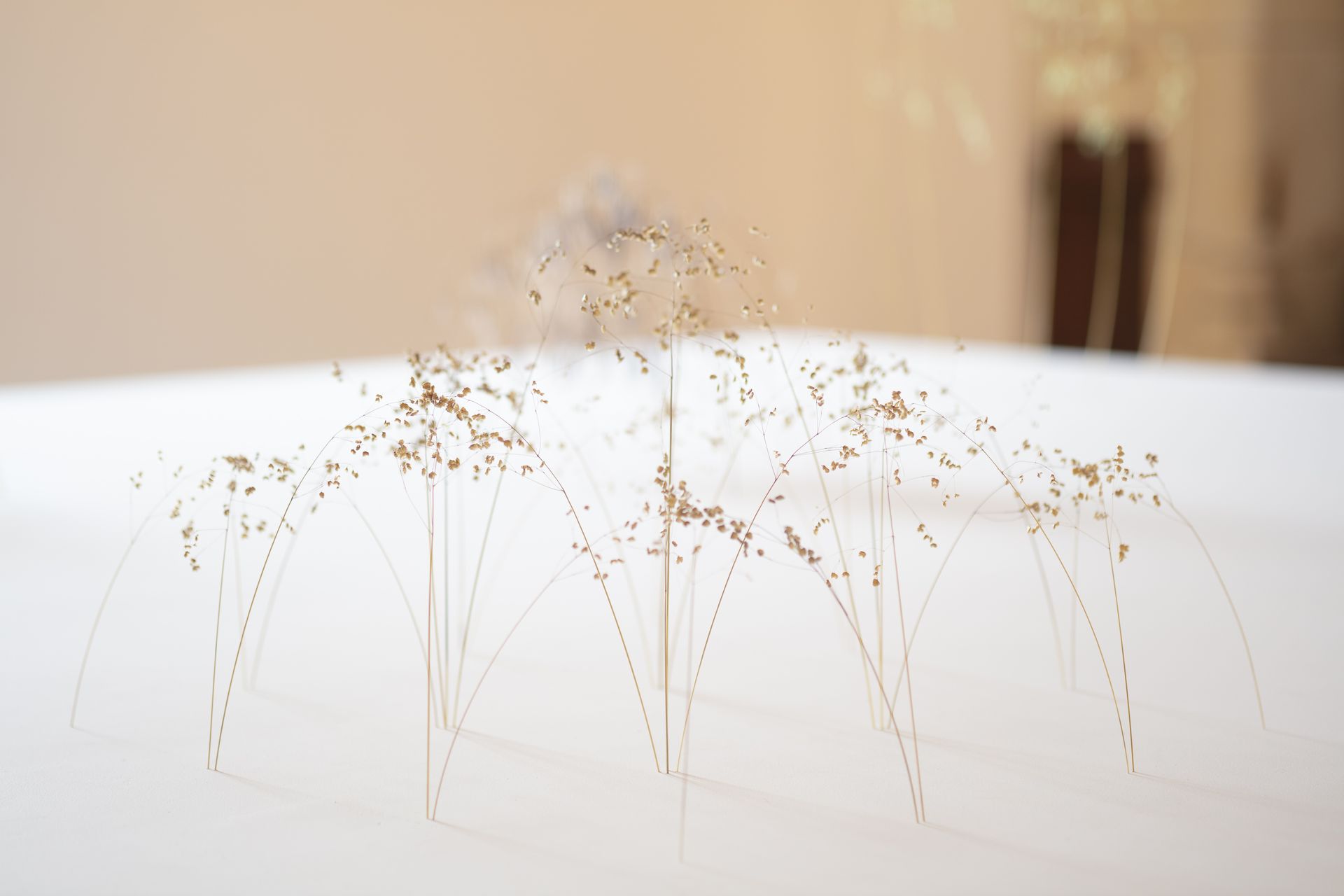
Christiane Löhr’s creations are infinitely delicate. Always on the lookout for any items nature can provide her, from twigs to stamens to pistils, she collects and arranges them in incredibly graceful spiderlike constructions.
An alchemist of plant matter, she transforms ordinary items that might generally get ignored into precious pieces of jewellery.
“Referring to a detail in one of his paintings, Arshile Gorkij likens it to sweetness, something so sweet that it comes close to death. What is striking about Christiane Löhr’s work is its softness, a soft quality that is close to vigor; indeed it is so very vigorous that it comes close to a black square. All this is obtained by ‘natures’, which, found in fields or in the woods, present a single color in winter, and then change their aspect in summer. Christiane leaves these groupings of natures on plain walls, in corners, or on the ceiling. This way, space participates and turns into storage and measurement for that staging of vigor and love.” Jannis Kounellis. Udine, Friday, January 17, 1997.
As light as a sculpture
“Christiane Löhr (1965) shows us a world inhabited by an airy and luminous vivacity. It reveals the vital and aesthetic power of everything fragile and ephemeral in nature, dependent on the flow of the wind, and hints at the presence of a plastic force that is light and sensitive rather than aggressive. Her arrangements, built from grass stems and ivy seeds, strands of horsehair and dog fur, emphasise their vulnerability to any potential shock that might endanger their peace and stability. Her work takes on the appearance of cupolas and pyramids, clouds and cushions, embodying a diaphanous nature that in our contemporary world contrasts with the heaviness and the physical and ambient gravity of many sculptures. The German artist aspires rather to articulate a sculptural character which is both velvety and fleeting, supple and light. This creates a discourse on the sensitive, euphoric, vibrant aspect of the changing animal and plant world, treated with delicate and tender attention. Thin, delicate sculptures become the bodies of floating, foamy shapes, easily shattered, and investing themselves with a fascinating tactile presence, no matter what the setting. This way of making volumes and images appear seduces the viewer with its soft texture and its fulfilment of matter. Something approaching theatricality, something tender but imposing in the material leads to this incredible form of expression, enlivening our way of feeling and conceiving sculpture itself.” Germano Celant
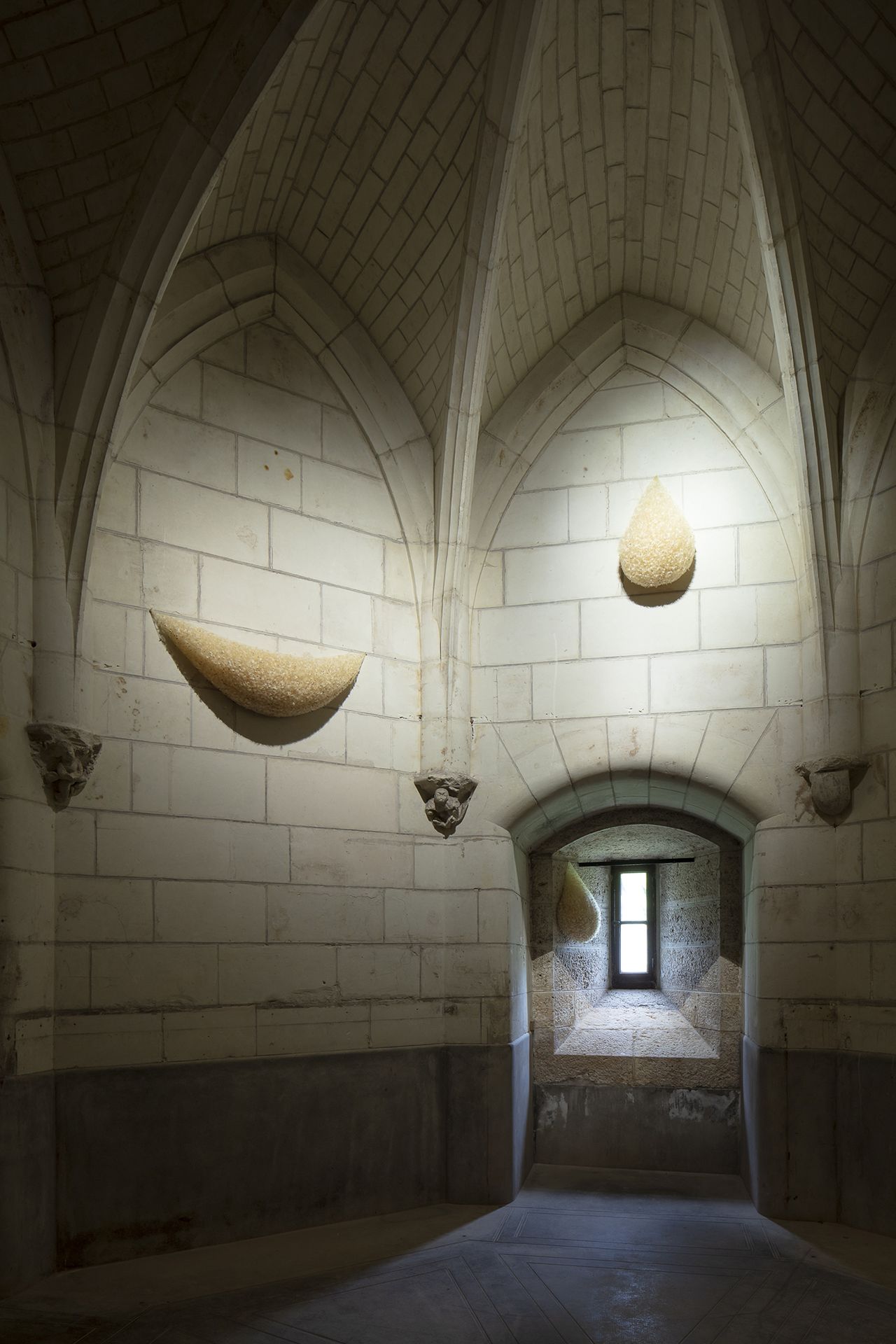
Löhr’s miniature installations will converse with the spaces of the Porcupine Gallery, the Office and the King’s Tower.
They serve as an ode to the fragility, preciousness, and graceful shapes that nature abundantly sets before our often careless or indifferent eyes.
Löhr’s self-imposed task is that of learning to see, of identifying the multiple, secret constructions that govern all plant forms, and creating and weaving this fragile, transitory matter into new marvels.
BIOGRAPHICAL NOTES
Christiane LÖHR
GERMANY

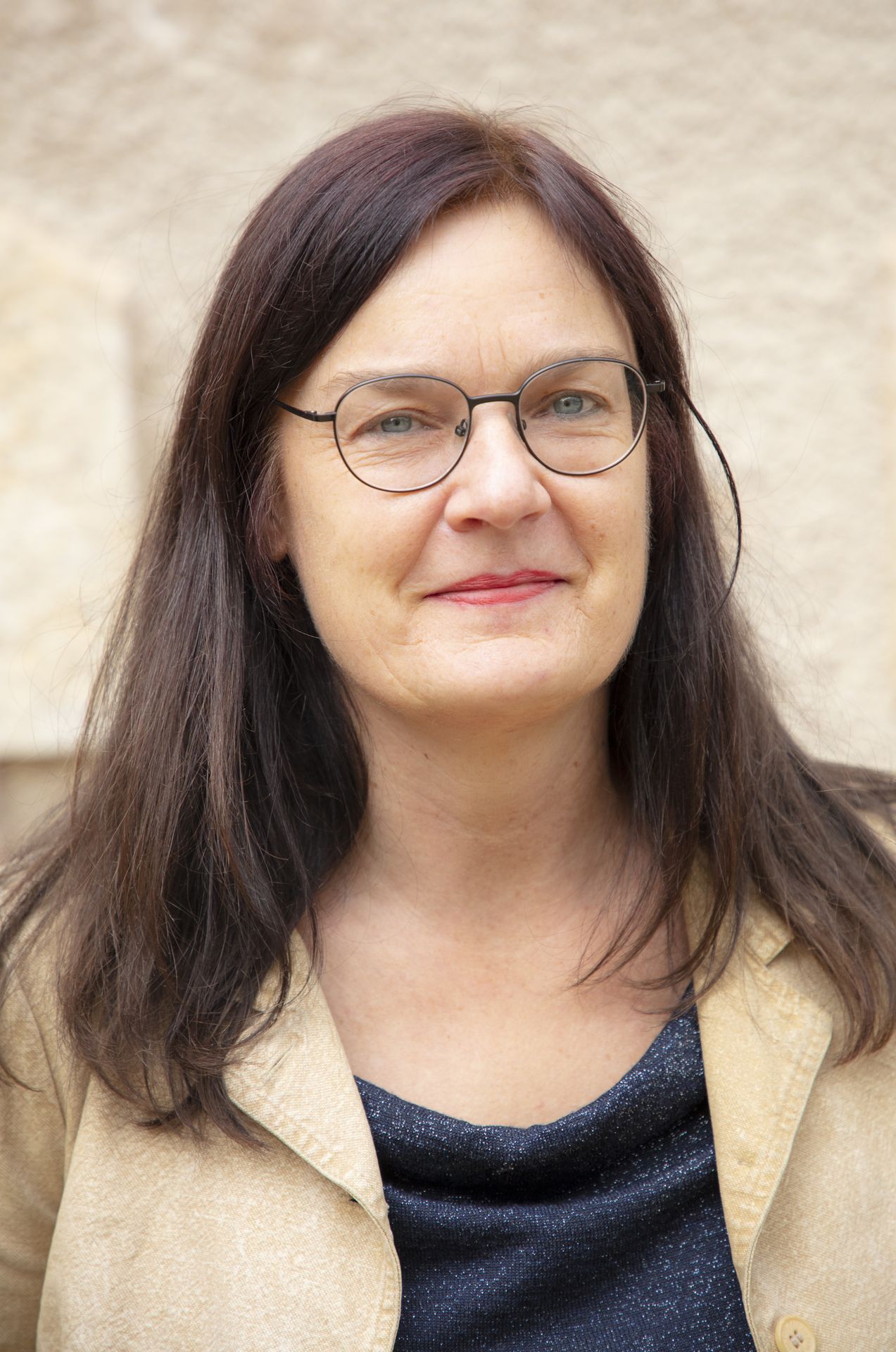
Born in Wiesbaden, Germany, in 1965, Christiane Löhr studied Egyptology, Classical Architecture, and History at the University of Bonn. She then took art classes at the University of Mayence before enrolling in the Düsseldorf Academy of Fine Arts, where she earned her degree in 1996 under the direction of Jannis Kounellis, a leading contemporary artist and figurehead of the Arte Povera movement, a revolutionary artistic vein which defies cultural industrialisation and consumer society, and champions a return to the essence of the creative gesture, in particular through the use of so-called “poor” materials to create art.
Spotted in 2001 at the 49th Venice Art Biennial coordinated by the late Swiss art magnate Harald Szeeman, Christiane Löhr’s international career in contemporary art has already passed the twenty-year mark. She has developed a radical treatment of sculpture over the course of solo and group exhibitions in Japan, the US, Italy, Switzerland, and Germany.
On the occasion of the publication of his monograph by Hatje-Cantz in 2020, the great Italian Arte Povera specialist Germano Celant dedicated one of his final texts to her (exhibition curator at the Venice Biennale, the Guggenheim and the Centre Pompidou, he died in April 2020).
Löhr owes this recognition to her singular and resolutely independent process, only recently acclaimed for the first time in Berlin at the exhibition Ordnung der Wildnis held at the Haus em Waldsee in 2021.
Today Christiane Löhr lives and works both in Cologne, Germany, from her studio in the heart of an industrial area suited to her work, and in Prato, Italy, where she takes advantage of her outings on foot or by bicycle to collect the materials necessary to create her sculptures.
At Chaumont-sur-Loire, she joins such masters of Arte Povera as Jannis Kounellis, whose commissioned work is still on display in the Château’s kitchens, and Giuseppe Penone, whose perennial sculpture Trattenere 8 anni di crescita converses with the Historic Grounds.
Christiane Löhr is represented by the Tucci Russo Gallery, Turin (Italy).