Artistic approach
A magician who sculpts quite astonishing forms with brilliance, David Nash is unique in working almost exclusively with wood, trees and the natural environment. He is considered to be one of the artists to have most successfully exalted nature, taken it into his own hands and given it meaning. In his view, art and nature are inextricably linked. Rather than dominating it, he seeks to work in harmony with it. Along the same lines as Land Art, David Nash employs traditional techniques and rejects all modern materials. He particularly shapes his work using the elements (air, fire, water), guiding the growth of trees or natural erosion “in the manner of the ancient Chinese potters who kept their minds on the invisible volume of space inside their pot and worked the clay up around the shape of that space.” He does not make sole use of wood, for the most part taken from trees he finds on the sites where he works; he also creates using growing plants. In 1999, the ashen and smoked patina of these sculptures are reminiscent of his wooden works of art.
The major exhibition he presented in 2012 at Kew Gardens (in London) was a high-profile event.
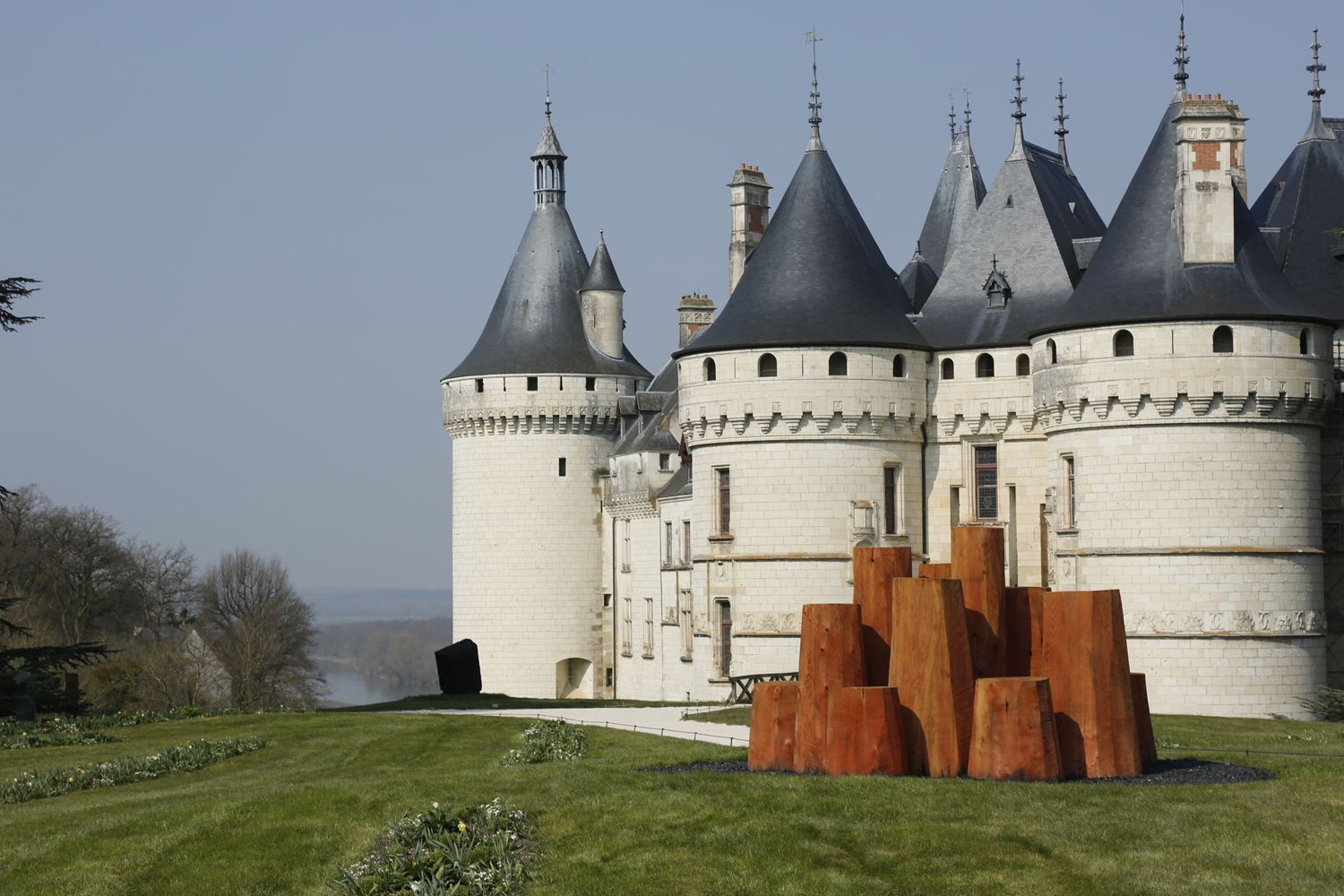
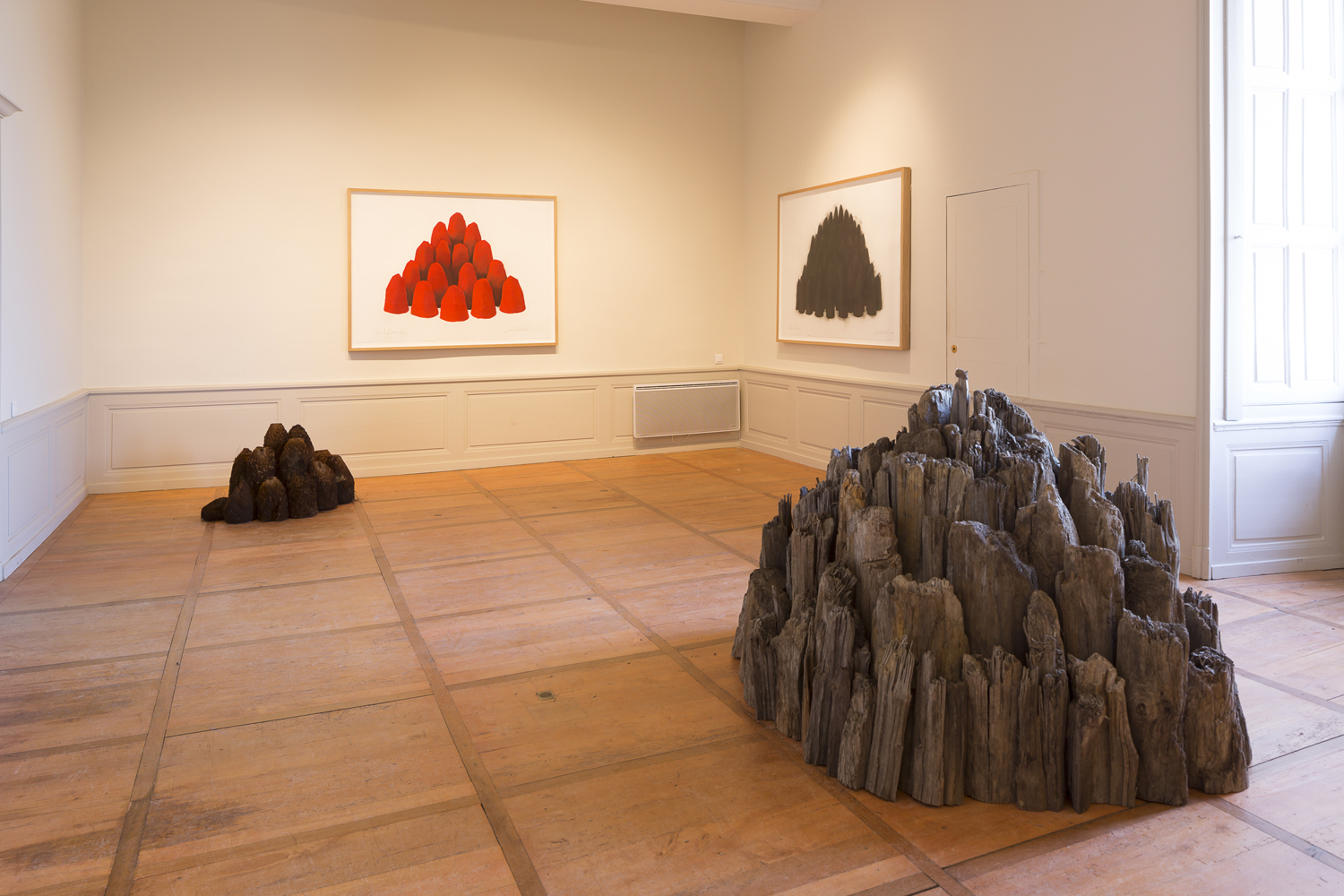
At Chaumont-sur-Loire, David Nash is exhibiting a new sculpture of charred wood a stone’s throw from the Château and an original installation bringing together drawings and sculptures in the princely apartments.
Biographical notes
David NASH
GREAT BRITAIN

Born on 14th November 1945 in Esher in Surrey, England, David Nash has always been drawn to wood and, even as a child, he felt an aversion for trees planted in rows. After studying at the Kingston and Brighton Colleges of Art, in 1969 he enrolled in one of the world’s most prestigious schools of art: Chelsea School of Art.
In the interests of saving money, he decided to move away from the urban environment to Blaenau Ffestiniog in Wales and the natural and intellectual environment he found there was ideal for developing his art. He converted a chapel into his house and studio.
A ring of 22 ash trees that the artist has tended and pruned for the past thirty years to form a dome, Ash Dome, dreamt up in the 1970s, is certainly his most famous work.
He was elected as a “Royal Academician” in 1999. His wooden sculptures, formed from exhibits designed for local museums and art galleries, are on display all over the world, particularly the United States, Japan and Poland.