Passa al contenuto
Stagione d'arte 2023

Lee Ufan

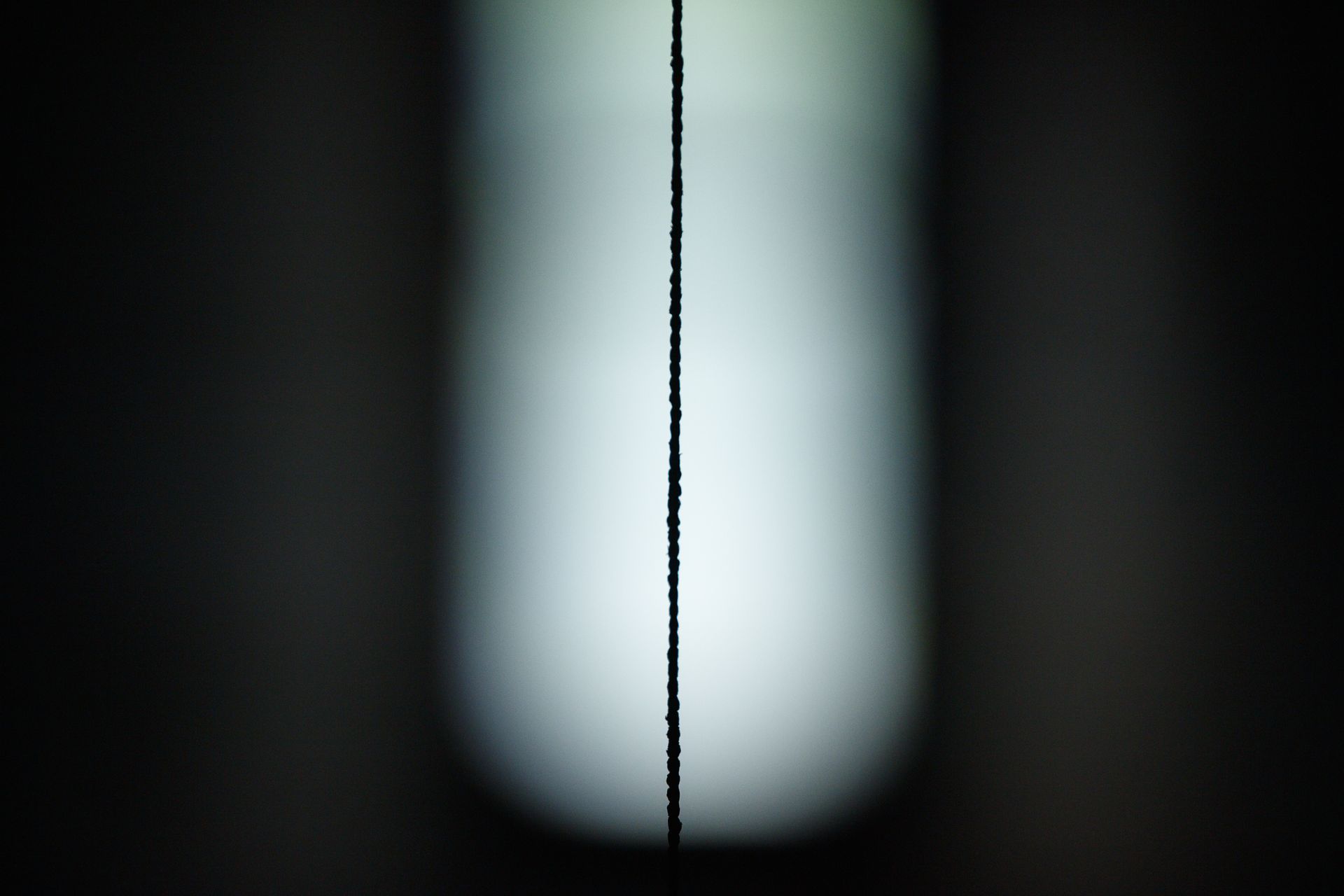
"Le fil infini"
Le Château Tour du Roi

Approccio artistico

Le opere di Lee Ufan sono una ricerca di ridefinizione dell’arte. L’arte ha sempre mescolato strettamente filosofia e creazione artistica. Nella metà degli anni ’60, fu uno dei fondatori del Mono-ha, movimento minimalista giapponese che nutriva un vivo interessava per la natura e i materiali, sforzandosi di istaurare un dialogo tra quelli lavorati dall’uomo e le materie prime grezze, che dava inizio a una riflessione riguardante le cose artificiali e naturali. Il posto dell’uomo nella natura e vari interrogativi sulla dualità, come il presente e l’eternità, il pieno e il vuoto, il finito e l’infinito sono al centro delle sue finalità mentre la presa in considerazione dell’ambiente fa parte integrante del suo processo creativo

“L’incontro con un luogo, la comunicazione con il mondo esterno hanno la stessa importanza degli utensili e dei materiali di cui avrò bisogno per effettuare un lavoro. Tutti questi elementi sono riuniti nel mio approccio; entrano in collisone gli uni con gli altri finché avviene una perfetta armonia o dissonanza. Sono veri e proprio strumenti, ognuno con il proprio carattere, diretti da un direttore d’orchestra. Ogni opera richiede d’altronde un’implicazione piena e interna, fisica e mentale”, dichiarava l’artista nel 2017 in occasione dell’inaugurazione di Topos (Excavated), mostra allestita nel Castello di Ama, in Italia.

Dagli anni ‘60, Lee Ufan distribuisce il proprio pensiero tra la Corea, suo paese nativo, il Giappone e l’Occidente, e in particolare la Francia, nonché tra la filosofia e l’arte. Le sue opere si presentano come altrettanti incontri ed esperienze da vivere. Se le sue sculture e ambienti giocano con lo spazio, i suoi dipinti si iscrivono nel tempo e testimoniano di una volontà di addomesticamento dell’infinito da parte dell’artista. Ognuna delle sue opere traduce principi filosofici essenziali”. Non è l’universo che è infinito, è l’infinito che è universo”, afferma per esempio.

Le sue sculture comprendono il più delle volte vari elementi associati (legno, pietra, cotone per i materiali naturali, metallo, vetro, specchio per quelli creati dall’uomo), che l’artista mette in risonanza che il luogo che li ospita. Così, ad Arles nel 2022, Requiem è stato appositamente ideato per dare espressione all’antica necropoli arlesiana. I 13 Relatum – termine utilizzato da Lee Ufan a partire del 1972 per designare le sue sculture – ricordavano le pietre rettangolari allineate sul viale che conduce alla chiesa di Sant’Onorato o disposti nelle cappelle. Scegliendo sempre di legare il fare e il non-fare, Lee Ufan crea uno spazio poetico partendo dal principio che “vedere, scegliere, prendere in prestito o spostare fa già parte dell’atto creativo”.

Le sue opere sono semplici e non rappresentano alcun oggetto o alcuna scena. Non vi è alcuna storia da scoprire o simbolica da decifrare. Tutta l’arte è concentrata in quello che si prova. Occorre, per usare le parole dell’artista, sentire la presenza dell’aria e dello spazio. Lee Ufan medita a lungo, poi respira profondamente, prima di effettuare il primo gesto. Quando dipinge, applica delicatamente il pennello nello spazio immacolato della tela per alcuni minuti, ripetendo l’azione a più riprese, quindi lascia essiccare il tutto per una settimana prima di ricominciare. Tale processo si ripete, a sua volta, tre o quattro volte.

La superficie del quadro non viene mai totalmente dipinta. Lee Ufan rifiuta di comportarsi con lo spazio del quadro come se si trovasse in un terreno da conquistare. Vuole che la sua opera nasca dal legame che si instaura tra la parte abitata e la parte vergine che qualifica di parte presente e di parte assente della creazione. Per lui, si tratta di un incontro tra il suo mondo interno e quello esterno. Quando l’incontro ha luogo, un’immagine affiora il bianco e inizia un dialogo sensibile e infinito con lo spazio e nel tempo il cui obiettivo è sempre identico: fare nascere una riflessione. Lee Ufan crea le proprie opere ricorrendo alla moderazione e alla sobrietà. L’artista trattiene le sue parole come trattiene il suo soffio. Ci incita a guardare il mondo da soli e ad essere attenti alla natura piuttosto che ai discorsi.

DATI BIOGRAFICI

Lee Ufan
COREA DEL SUD
 

Lee Ufan è nato in Corea nel 1936 dove studia la poesia, la pittura e la calligrafia, nonché il pensiero di Lao Tseu e quello di Tchouang-tseu prima di raggiungere il Giappone, a 20 anni, per interessarsi alla filosofia occidentale. Laureato dell’Università di Nihon di Tokio, inizia la propria carriera in quanto filosofo e critico d’arte. Nietzsche, Rilke, Heidegger e Merleau-Ponty hanno segnato il suo pensiero. Nel 1968, Lee Ufan incontra l’artista Nobuo Sekine (1942-2019), del quale molto rapidamente sostiene sia le idee che la pratica artistica. L’anno successivo, Lee Ufan riceve il Premio della Critica d’Arte patrocinato dalla rivista Bijutsu Shuppan-Sha per un articolo intitolato Des objets inanimés à l’existence vivante (Dagli oggetti inanimati all’esistenza vivente).

L’autore diventa quindi il teorico e il portavoce del Mono-ha (“la scuola delle cose”), movimento d’avanguardia giapponese attivo alla fine degli anni ’60 fino alla metà degli anni ‘70. Tale movimento mette in scena, da una parte, materiali manufatti sotto forma di oggetti e, dall’altra, materie non modificate, al fine di evidenziare le possibili relazioni tra il naturale e l’artificiale. Come altri movimenti attivi in Europa e negli Stati Uniti durante lo stesso periodo, Mono-ha ha partecipato alla profonda rimessa in questione dell’arte nelle sue fondamenta e la sua definizione stessa.

Nel 1971, il concetto del Mono-ha viene presentato alla Biennale di Parigi. Lee Ufan diventa professore presso la Tama Art University, di Tokio nel 1973 e si interessa alla pittura monocromatica. Da allora, l’artista continuerà a fare evolvere la propria pratica e ad insegnare (fino al 2007). Attraverso i suoi temi preferiti – le relazioni tra le cose e lo spazio che le circonda, tra il pieno e il vuoto, ma anche il dialogo tra il naturale e l’industriale, tra l’interno e l’esterno –, Lee Ufan propone una mediazione plastica nella quale si incarna una definizione molto personale dell’arte contemporanea, staccata dal linguaggio, che viene considerata come un’esperienza sensibile immediata.

Il suo lavoro è stato oggetto di numerose presentazioni in tutto il mondo all’interno di istituzioni come il Museo dell’Ermitage di San Pietroburgo, la Serpentine Gallery e la Pace Gallery di Londra, il Guggenheim Museum di New York, il Centro di Creazione Contemporanea Olivier Debré di Tours, il Castello di Versailles, il Museo d’Arte Moderna di Saint Etienne, e la Galleria Nazionale del Jeu de Paume, il Kunstmuseum di Bonn e il Städel Museum di Francoforte, nonché il National Museum of Contemporary Art di Seul. Inoltre, tale lavoro è stato presentato nell’ambito di numerose manifestazioni artistiche come le Biennali di Venezia (2007, 2011), Gwangju (2000, 2006), Shanghai (2000), Sydney (1976), São Paulo (1973) e Parigi (1971).

Nel 2014, Lee Ufan è stato invitato dal parco e il palazzo di Luigi XIV, a Versailles e le sue opere sono state esposte nel Centro Pompidou-Metz nell’ambito delle esposizioni Formes Simples (Forme semplici - 2014), Japanorama, Nouveau regard sur la création contemporaine (Japanorama, Nuovo sguardo sulla creazione contemporanea - 2017) e Habiter le Temps (Abitare il Tempo - 2019). Nell’aprile 2022, l’artista ha inaugurato la Fondazione Lee Ufan Arles, ospitata nel Palazzo Vernon, edificio del XVII secolo situato in prossimità delle arene romane della città e rimaneggiato dall’architetto Tadao Ando.

Lee Ufan sono rappresentate dalla Galleria Kamel Mennour dal 2013.

LEE UFAN. "LE FIL INFINI".

PREMI

2001
Praemium Imperiale for painting
 
2000
UNESCO Prize

COLLEZIONI PUBBLICHE

Art Gallery of New South Wales, Sydney, Australia
Asia Society Texas Center, Houston, USA
Berlin National Galerie, Berlin, Germany
Centre Georges Pompidou, Paris, France
Contemporary Art Museum, Kumamoto, Japan
Eclipse Collection, Brussels, Belgium
FNAC, Paris, France
Fondazione Mudima, Milano, Italy
Fukuoka Art Museum, Japan
Galerie Nationale de Prague, Czech Republic
Hakone Open-Air Museum, Kanagawa, Japan
Hara Museum of Contemporary Art, Tokyo, Japan
Hiroshima City Museum of Contemporary Art, Hiroshima, Japan
Hokkaido Museum of Modern Art, Sapporo, Japan
Iwaki City Art Museum, Iwaki, Japan
Kröller-Müller Rijksmuseum, Otterloo, The Netherlands
Kunsthalle Nurnberg, Germany
Kunsthaus Zürich, Switzerland
Kunstmuseum Bonn, Germany
Kunstsammlungen der Ruhr-Universität Bochum, Germany
Le Musée de Sculpture en Plein Air, Paris, France
Leeum Samsung Museum of Art, Seoul, South South Korea
Museum of Contemporary Art Tokyo, Japan
Ohara Museum of Art, Kurashiki, Japan
Queensland Art Gallery, Brisbane, Australia
Rachofsky Collection, Dallas, USA
São Paulo Art Library, São Paulo, Brazil
Seoul Municipal Museum of Art, South South Korea
Setagaya Art Museum, Tokyo, Japan
Sezon Museum of Modern Art, Nagano, Japan
Situation Kunst, Bochum, Germany
Sonja Henle-Niels Onstad Museum, Oslo, Norway
Staats Kunstsammlungen Dresden, Dresden, Germany
Städtisches Museum Leverkusen, Germany
Städtisches Museum Städel Frankfurt, Germany
Stuttgart Staats Galerie, Stuttgart, Germany
Tate Modern, London, United Kingdom
The Brooklyn Museum, New York, USA
The Museum of Fine Arts, Gifu, Japan
The Museum of Modern Art, Kamakura & Hayama, Japan
The Museum of Modern Art, New York, USA
The National Museum of Art, Osaka, Japan
The National Museum of Contemporary Art, Seoul, South South Korea
The National Museum of Modern Art, Kyoto, Japan
The National Museum of Modern Art, Tokyo, Japan
Toyota Municipal Museum of Art, Japan

MOSTRE PERSONALI

2021
Pace Gallery, East Hampton, New York, USA
 
2019
Lee Ufan: Open Dimension, Hirshhorn Museum, Washington, USA
Habiter le Temps, Centre Pompidou Metz, Metz, France
Lee Ufan: Acorns and Wildcat, Cahiers d’Art, Paris, France
Lee Ufan: Traces, Cahiers d’Art, Paris, France
Dia:Beacon, New York, USA
 
2018
Relatum - Stage, Serpentine Sculpture Commission, Kensington Gardens, London, United Kingdom
 
2017
Couvent de la Tourette, Biennale de Lyon, Éveux-L'Arbresle
Révélation, CCC OD, Tours, France
 
2016
Topos (Excavated), Castello di ama, Sienna, Italy
Les fragments et la fenêtre, Cité de la Céramique, Sèvres, France
Château la Coste, Le Puy Ste Réparade, France
Galerie kamel mennour, Paris, France
Relatum, The State Hermitage Museum, St. Petersburg, Russia
 
2015
Donjon de Vez, France
 
2014
Château de Versailles, Versailles, France
 
2013
Galerie kamel mennour, Paris
Relatum, le repos de la transparence, Musée de la Chasse et de la Nature, Paris, France
Dissonance, Chappelle Saint-Laurent – Le Capitole, Arles, France
 
2012
Lee Ufan: The Art of Emptiness, Asia Society, Houston, USA
 
2011
Dialogue: Lee Ufan, Gallery Hyundai, Seoul, South Korea
Lee Ufan: Marking Infinity, Solomon R. Guggenheim Museum, New York, USA
Lee Ufan: Bilder und Skulpturen, Galerie Thaddaeus Ropac, Salzburg, Austria
SCAI The Bathhouse, Tokyo, Japan
 
2010
Lee Ufan: Resonancia, Galeria Elvira Gonzàlez, Madrid, Spain
Blum & Poe, Los Angeles, USA
 
2009
Lee Ufan: Peintures et Sculptures, Galerie Thaddaeus Ropac, Paris, France
Kukje Gallery, Seoul, South Korea
 
2008
Pace Wildenstein, New York, USA
The Royal Museum of Fine Arts of Belgium, Brussels, Belgium
Lisson Gallery, London, United Kingdom
Tokyo Gallery, Tokyo, Japan
Lee Ufan: A Dialogue, Dahlem Museum, Museum für Asiatische Kunst, Berlin, Germany
 
2007
Lee Ufan, SCAI The Bathhouse, Tokyo, Japan
Lee Ufan: Resonance, 52nd Venice Biennale, Palazzo Palumbo Fossati, Venice, Italy
Galerie Nächst St. Stephan Rosemarie Schwarzwälder, Vienna, Austria
 
2006
Gallery Muramatsu, Tokyo, Japan
Lee Ufan, IBU Gallery, Paris, France
Shirota Gallery, Tokyo, Japan
Galerie Micheline Szwajcer, Antwerp, Belgium
Lee Ufan: Silence, Galerie M, Bochum, Germany
Kong Gan Gallery, Busan, South Korea
 
2005
Musée d’Art Moderne, Saint-Étienne
Lee Ufan, The Art of Margins, Yokohama Museum of Art, Yokohama, Japan
 
2004
Lee Ufan: Peinture Sculpture, Espace d’Art Contemporain Fernet Branca, Saint-Louis, France
Lee Ufan: The Art of Encounter, Lisson Gallery, London, United Kingdom
 
2003
Lee Ufan: The Search for Encounter, Ho-Am Art Gallery and Rodin Gallery, Seoul, South Korea
Samsung Museum of Contemporary Art, Seoul, South Korea
Gallery Hyundai, Seoul, South Korea
 
2002
SCAI The Bathhouse, Tokyo, Japan
 
2001
Shirota Gallery, Tokyo, Japan
Lee Ufan: Paintings 1973–2001, Kunstmuseum Bonn, Germany
 
2000
Kong Gan Gallery, Busan, South Korea
Lee Ufan: Interconnection, Galerie M, Bochum, Germany
 
1999
Lee U-fan: 70s Prints, Takeda Art Co. Inc., Tokyo, Japan
Kamakura Gallery, Tokyo, Japan
Liliane & Michel Durand-Dessert, Paris, France
Tokyo Gallery, Tokyo, Japan
 
1998
Shirota Gallery, Tokyo, Japan
Lee Ufan: Painting and Sculpture, Städtisches Museum im Städel, Frankfurt, Germany
Lee Ufan Print Works 1970–1998, Mitaka City Gallery of Art, Nigata City Art Museum, Japan
01 Sigong Gallery, Taegoo, South Korea
 
1997
Gallery Bhak, Seoul, South Korea, South Korea
Gallery Hyundai, Seoul, South Korea
Space Shimoda, Tokyo, Japan
Galerie Nationale du Jeu de Paume, Paris, France
Lee Ufan: Anche il vuoto lavora, Lorenzelli Arte, Milan, Italy
 
1996
Galerie J. Moussion, Paris, France
Kong Gan Gallery, Busan, South Korea
Tokyo Gallery, Tokyo, Japan
Lisson Gallery, London, United Kingdom
 
1995
Galerie de Paris, Paris, France
Tokyo Gallery, Tokyo, Japan
Lee Ufan: Entsprechungen–Setzungen 1994/1995, Galerie M, Bochum, Germany
Städtisches Museum Schloss Morsbroich, Leverkusen, Germany
 
1994
Fondazione Mudima, Milan, Italy
Hyundai Gallery, Seoul, South Korea
Inkong Gallery, Seoul, South Korea
Museum of Modern Art, Kamakura, Japan
The National Museum of Contemporary Art, Seoul, South Korea
 
1993
Kamakura Gallery, Tokyo, Japan
Shirota Gallery, Tokyo, Japan
Tokyo Gallery, Tokyo, Japan
The Museum of Modern Art Kamakura, Japan
 
1992
Galerie de Paris, Paris, France
Kong Gan Gallery, Busan, South Korea
SAGA-MMG, Grand Palais, Paris, France
Space Gallery, Busan, South Korea
 
1991
Gallery Ueda, Tokyo, Japan
Lorenzelli Arte, Milan, Italy
Tokyo Gallery, Tokyo, China
Inkong Gallery, Seoul, South Korea
Hara Museum of Contemporary Art, Japan
 
1990
Gallery Hyundai, Seoul, South Korea
Inkong Gallery, Seoul, South Korea
Kamakura Gallery, Tokyo, Japan
 
1989
Galerie de Paris, Paris, France
Shirota Gallery, Tokyo, Japan
Tokyo Gallery, Tokyo, Japan
With Winds: Lee U-fan, Gallery Ueda, Tokyo, concurrent with Tokyo Gallery, Japan
Lee Ufan: With Winds, Paintings 1986/88, Galerie M, Bochum, Germany
 
1988
Galerie Anselm Dreher, Berlin, Germany
Lee Ufan: Ex Oriente, Padiglione d’Arte Contemporanea, Milan, Italy
Lee Ufan: Traces of Sensitivity and Logic, The Museum of Fine Arts, Gifu, Japan
 
1987
Gallery Hyundai, Seoul, South Korea
 
1986
Galerie de Paris, Paris, France
Tokyo Gallery, Tokyo, Japan
Shirota Gallery, Tokyo, Japan
Gallery Ueda, Tokyo, Japan
 
1985
Kamakura Gallery, Tokyo, Japan
 
1984
Galerie de Paris, Paris, France
Gallery Hyundai, Seoul, South Korea
Shirota Gallery, Tokyo, Japan
 
1983
Gallery Ueda, Tokyo, Japan
Tokyo Gallery, Tokyo, Japan
 
1982
Studio Marconi, Milan, Italy
 
1981
Shirota Gallery, Tokyo, Japan
 
1980
Galerie Éric Fabre, Paris, France
Gallery Ueda, Tokyo, Japan
Marl Sculpture Museum, Germany
Tokyo Gallery, Tokyo, Japan
 
1979
Gallery Muramatsu, Tokyo, Japan
Gallery Takagi, Nagoya, Japan
Marl Sculpture Museum, Germany
Jin Gallery, Seoul, South Korea
 
1978
The Antwerp Gallery, Antwerp, Belgium
Gallery Hyundai, Seoul, South Korea
Lee Ufan: From Point—From Line, Düsseldorf Kunsthalle, Düsseldorf, Germany
Louisiana Museum of Modern Art, Humlebaek, Denmark
Shirota Gallery, Tokyo, Japan
Lee Ufan: Skulpturen, Galerie M, Bochum, Germany
 
1977
Galerie Éric Fabre, Paris, France
Tokyo Gallery, Tokyo, Japan
 
1976
Gallery Spectrum, Antwerp, Belgium
Galerie M, Bochum, Germany
 
1975
Galerie Éric Fabre, Paris, France
 
1974
Tamura Gallery, Tokyo, Japan
 
1973
Tokyo Gallery, Tokyo, Japan
 
1972
Myong-Dong Gallery, Seoul, South Korea
 
1971
Pinar Gallery, Tokyo, Japan
 
1970
Tamura Gallery, Tokyo, Japan
 
1967
Sato Gallery, Tokyo, Japan

MOSTRE COLLETTIVE

2021
Jours blancs, Galerie kamel mennour, Paris, France
Ink Dreams: Selections from the Fondation INK Collection, Los Angeles County Museum of Art, USA
Silence, Pace Gallery, Geneva, Switzerland
 
2020
STARS: Six Contemporary Artists from Japan to the World, Mori Art Museum, Tokyo, Japan
On View in East Hampton, Pace Gallery, 68 Park Place, East Hampton, New York, USA
Sculpture & Nature, Schlossgut Schwante Sculpture Park, Oberkrämer, Germany
Three Masters of Contemporary Art: Takamatsu Jiro, Wakabayashi Isamu and Lee Ufan, Setagaya Art Museum, Tokyo, Japan
Hirshhorn Museum, Washington, USA
Museum of Contemporary Art Australia, Sydney, Australia
Centre Pompidou Metz, Metz, France
 
2019
Hirshhorn Museum, Washington, USA
Centre Pompidou Metz, Metz, France
Museum of Contemporary Art Australia, Sydney, Australia
 
2018
Dia Beacon, New York, USA
 
2014
Formes simples, Centre Pompidou Metz, France
 
2013
Prima Materia, Punta della Dogana, Venice, Italy
Lachobsky Collection, Dallas, USA
 
2012
Tokyo 1955–1970: A New Avant-Garde, Museum of Modern Art, New York, USA
Summer Group Show 2012, The Pace Gallery, New York, USA
Art as Magic: Visionary Artists and Their Inner Supernatural World, Aichi Prefectural Museum of Art, Nagoya, Japan
Requiem for the Sun: The Art of Mono-ha, Blum & Poe, Los Angeles, USA
Requiem for the Sun: The Art of Mono-ha, Gladstone Gallery, New York, USA
 
2011
Beijing Voice: Leaving Realism Behind, The Pace Gallery, Beijing, China
Burning, Bright: A Short History of the Light Bul, The Pace Gallery, New York, USA
Tricks & Humor, Yokosuka Museum of Art, Japan
Pure Clay: Young Sook Park and Lee Ufan, RH Gallery, New York, USA
The World Belongs to You, Palazzo Grassi, Francois Pinault Foundation, Venice, Italy
Silence and Time, Dallas Museum of Art, Dallas, USA
In Praise of Doubt, Punta della Dogana, Francois Pinault Foundation, Venice, Italy
 
2010
50 Years at Pace, The Pace Gallery, New York, USA
Painting: Process and Expansion: From the 1950s to the Present Day, Museum Moderner Kunst Stiftung Ludwig Wien, Vienna, Austria
Personal Structures: Time-Space-Existence, Kunstlerhaus Palais Thurn & Taxis, Bregenz, Austria
 
2009
15th Anniversary Inaugural Exhibition, Blum & Poe, Los Angeles, USA
A Walk in the Park: Outdoor Sculpture at PaceWildenstein, PaceWildenstein, New York, USA
In-Finitum, Palazzo Fortuny, Venice, Italy
Personal Structures in New York, Bertha and Karl Leubsdorf Art Gallery, Hunter College, New York, USA
Qui a peur des artistes?, François Pinault Collection, Palais des Arts, Dinard, France
Essential Experience, RISO Galleria Regionale della Sicilia, Italy
 
2008
Red Wind, Blum & Poe, Los Angeles, USA
The Thin Line of Shadow: Lee Ufan, Günther Uecker, Roman Opalka, Fondazione Mudima, Milan, Italy
Sensitive Systems, Hakgojae Gallery, Seoul, South Korea
Sotto voce, Yvon Lambert, New York, USA
1st Poznan Biennale, Poland
 
2007
48th October Salon: Micro Narratives, October Salon, Belgrade Cultural Center, Serbia
What is Mono-ha?, Beijing Tokyo Art Projects, Japan
Elastic Taboos: Within the South Korean World of Contemporary Art, Kunsthalle Wien, Vienna, Austria
L’art de Monet et sa Postérité, The National Art Center, Tokyo, Japon
Micro-Narrative, Belgrade, Serbia
Living in the Material World: Things, in Art of the 20th Century and Beyond, The National Art Center, Tokyo, Japan
 
2006
Shelter: Art for Women in Forced Prostitution, Neue Nationalgalerie, Berlin, Germany
Fever Variations: Gwangju Biennale, South Korea
La force de l’art, Grand Palais, Paris, France
Motion on Paper, Ben Brown Fine Arts, London, United Kingdom
 
2005
Reconsidering Mono-ha, The National Museum of Art, Osaka, Japan
Moderato cantabile, Lee Ufan, Simon Callery, Nishikawa, Galerie Philippe Casini, Paris, France
(In)visible (In)corporeo, Museo d’Arte Provincia di Nuoro, Italy
 
2004
Limpa – École de Limpa, The National Museum of Modern Art, Tokyo, Japan
L’art au future antérieur: Liliane et Michel Durand-Dessert, l’engagement d’une galerie 1975– 2004, Musée de Grenoble, France
 
2003
Happiness: A Survival Guide for Art + Life, Mori Art Museum, Tokyo, Japan
Anni ’70, 80, 90, Lorenzelli Arte Gallery, Milan, Italy
 
2002
APT 2002: Asia-Pacific Triennial of Contemporary Art, Queensland Art Gallery, Australia
Les années 70: l’art en cause, Musée d’art contemporain Entrepôt, Bordeaux, France
 
2001
Century City, Tate Modern, London, United Kingdom
Mono-ha: School of Things, Museum of Kettle’s Yard, Cambridge, United Kingdom; Newlyn Art Gallery, Newlyn, United Kingdom
Silence/Violence, SCAI The Bathhouse, Tokyo, Japan
Le Tribu dell’Arte, Galleria Comunale d’Arte Moderna e contemporanea, Rome, Italy
Ikiro: Be alive, Contemporary Art from Japan 1980 to the Present, Kröller-Müller Museum, Otterlo, The Netherlands
 
2000
Bernard Frize, Katharina Grosse and Lee Ufan, Galerie Monika Reitz, Frankfurt, Germany
 
2000
Shanghai Biennale: UNESCO Prize for the Promotion of the Art, China
Man + Space: Gwangju Biennale, South Korea
 
1999
Kunstwelten im Dialog, Museum Ludwig, Köln, Germany
 
1998
Contemporary Art of South Korea-Time, Hoam Art Gallery, Seoul, South Korea
South Korean Monochromism, Busan Metropolitan Art Museum, South Korea
Poetics of Time, Ho-Am Art Museum, Seoul, South Korea
South Koreanische Positionen der Gegenwart, Dorothea van der Koelen Gallery, Mainz, Germany; Weisee Gallery, Köln, Germany
Sarajevo 2000, Museum Moderna Kunst Stiftung Ludwig Wien, Vienna, Austria
 
1997
Made in France 1947–1997, Centre Georges Pompidou, Paris, France
 
1996
Small Truths: Repetition and the Obsessional in Contemporary Art, John Hansard Gallery, Southampton, United Kingdom
Project 8: Prehistoric Stone and Media Show, Total Contemporary Art Museum, Seoul, South Korea
Papier Europäer, Galerie M, Bochum, Germany
Japon 1970: Matière et Perception, Le Mono-Ha et la Recherche des Fondements de l’Art, Musée d’art Moderne, Saint-Étienne, France
 
1995
Asiana: Contemporary Art from the Far East, Palazzo Vendramin Calgeri, Venice, Italy
Mono-ha, The Museum of Fine Art Gifu, Japan
Bestandsaufnahme XII, Galerie M, Bochum, Germany
South Korean Art 1995: Quality, Quantity, Sensation, National Museum of Contemporary Art, Seoul, South Korea Movement of a Line—II, Base Gallery, Tokyo, Japan
Matter and Perception 1970: Mono-Ha and the Search for Fundamentals, The Museum of Fine Art, Gifu, Japan
Joongang Biennale, Hoam Art Gallery, Seoul, South Korea
 
1994
Postwar Art in Japan, Yokohama Museum of Art, Yokohama, Japan
Malerei, Galerie M, Bochum, Germany
Japanese Art after 1945: Scream against the sky, Yokohama Museum of Art, Japan; Guggenheim Museum Soho, New York, USA
 
1993
Spiritual in Art, Fukuyama Museum of Art, Japan
 
1992
Anschitssachen, Galerie M, Bochum, Germany
Avandguardie Giapponesi degli anni 70, Galleria d’Arte Moderna Bologna, Italy
Seven Artists: Aspects of Contemporary Japanese Art, Nagoya City Art Museum, Nagoya, Japan
Working with Nature: Traditional Thought in Contemporary Art from South Korea, Tate Gallery, Liverpool, United Kingdom
 
1991
Seven Artists: Aspects of Contemporary Japanese Art, The Santa Monica Museum of Art, USA; Portland Art Museum, USA; Oregon Art Institute, USA; Contemporary Art Center, New Orleans, USA; Museo Rufino Tamayo, Mexico
 
1990
Minimal Art, The National Museum of Art, Osaka, Japan
Bestandsaufnahme VII, Galerie M, Bochum, Germany
Blau: Farbe der Ferne, Heidelberger Kunstverein, Germany
 
1989
Effets de Mirror, Bibliothèque Louis-Aragon, Choisy, France
New Tools, New Images: Europalia 89, Japan in Belgium, Museum van Hedendaagse Kunst, Ghent, Belgium
20th Biennale Middelheim-Japan, Open-Air Museum of Sculpture, Middelheim, Antwerp, Belgium
Croisement des Signes, Institut du Monde Arabe, Paris, France
 
1988
Monoha: La Scuola della Cose, Museo Labatorio d’Arte Contemporanea, Rome, Italy
Symposium of Olympic Sculpture, Olympic Park, Seoul, South Korea
 
1987
Mono-ha and Postmono-ha, Seibu Museum of Art, Tokyo, Japan
The Tenth Anniversary Exhibition: Painting 1977-87, The National Museum of Art, Osaka, Japan
 
1986
Contemporary Japanese Calligraphy and Painting, Galerie Nationale de Prague, Czechoslovakia
Le Japon des Avant-Gardes 1910–1970, Centre Georges Pompidou, Paris, France
Mono-Ha, Kamakura Gallery, Tokyo, Japan
Seoul-Paris, Centre National des Arts Plastiques, Paris, France
 
1985
40 Years of Japanese Contemporary Art: 10th Anniversary New Building, Tokyo Metropolitan Art Museum, Tokyo, Japan
École de Seoul, Gallery Kwan-Hoon, Seoul, South Korea
Artists’ Books: Japan, Franklin Furnace, New York, USA
 
1984
Wiesbaderner Skulpturentage, Germany
Trends of Contemporary Japanese Art, Tokyo Metropolitan Art Museum, Tokyo, Japan
 
1983
ARS 83 Helsinki, Art Museum of the Ateneum, Finland
Tokyo Gallery in London: Minoru Kawabata, Lee U-Fan and Yoshishige Saito, Juda Rowan Gallery, London, United Kingdom
 
1982
Material Gets Art, Nationalgalerie, Staatliche Museen, Berlin, Germany
Drawing Today; Masters of Drawing: Denes, Gafgen, Tubke, U-Fan: 2nd International Young Artist Triennial of Drawing, Kunsthalle Nürnberg, Germany; Musée cantonal des Beaux-Arts, Lausanne, Suisse
1982 Japanese Contemporary Art Exhibition, Camden Arts Center, London, United Kingdom
 
1980
Contemporary Art in Japan, Museum of Modern Art, Stockholm, Sweden
Japan Kalejdoskop, Sweden
Skulptur im 20 Jahrhundert, Basel, Switzerland
 
1979
11th International Prints Biennale in Tokyo, National Museum of Modern Art, Kyoto, Japan
1st Henry Moore Grand Prize Exhibition, Hakone Open-Air Museum, Awarded Superlative Prize, Kanagawa, Japan
 
1978
Focus 78, Centre Culturel du Marais, Paris, France
Z. B. Sculpture, Städtisches Museum im Stadel, Frankfurt, Germany
 
1977
Drawing 5 Artists, Miami Gallery, Tokyo, Japan
13th Contemporary Art Exhibition of Japan, Awarded prize of The National Museum of Modern Art, Tokyo, Japan
100 Prints Acquisitions 1973-1976, The Museum of Modern Art, New York, USA
Kassel Documenta 6, Germany
 
1976
International Painting Fair, Cagnes-Sur-Mer, France
2nd Biennale of Sydney 1996: Recent International Forms in Art, Art Gallery of New South Wales, Australia
Ecole de Seoul, National Museum of Modern Art, Seoul, South Korea
 
1975
Contemporary Art of Japan, The Museum of Ietevorg, Stockholm, Sweden
Contemporary Art of Japan, Sonja Henle-Niels Onstad Museum, Oslo, Norway
11th Contemporary Art Exhibition of Japan, Tokyo Metropolitan Art Museum, Tokyo, Japan
3rd Triennale India, National Academy of Art, New Delhi, India
 
1974
Japan Traditional Gegenwart, Städtisches Kunsthalle, Düsseldorf, Germany
Japanese Art in Louisiana, Louisiana Museum of Modern Art, Humlebaek, Denmark
 
1973
XII Biennale de São Paulo, Brazil
The Contemporary Art Exhibition of Japan: 20 Years of Contemporary in Retrospective, Tokyo and Kyoto, Japan
 
1972
8th International Prints Biennale, Tokyo, Japan
Napoli International Exhibition, Naples, Italy
2nd International Biennale of Prints in Seoul, National Museum of Modern Art, Seoul, South Korea
 
1971
7th Biennale de Paris, France
 
1970
7th International Prints Biennale, Tokyo, Japan
Aspects of New Japanese Art, National Museum of Modern Art, Tokyo, Japan
 
1969
5th International Young Artists Exhibition, Japan Cultural Forum, Tokyo, Japan
9th Contemporary Art Exhibition of Japan, Tokyo Metropolitan Art Museum, Tokyo, Japan
X Biennale de São Paulo Biennale, Brazil
Trends in Contemporary Art, The National Museum of Modern Art, Kyoto, Japan
 
1968
Contemporary Art of South Korea, The National Museum of Modern Art, Tokyo, Japan