ARTISTIC APPROACH
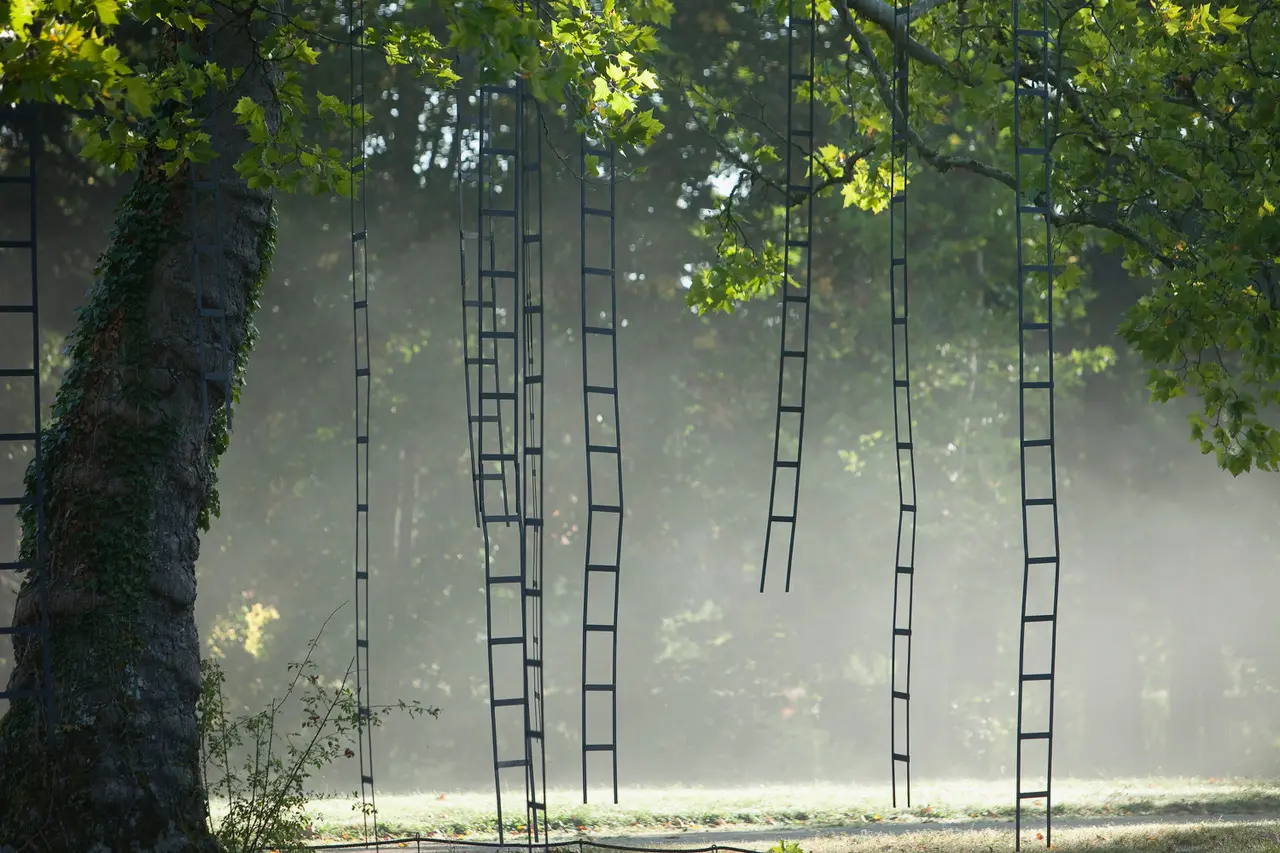
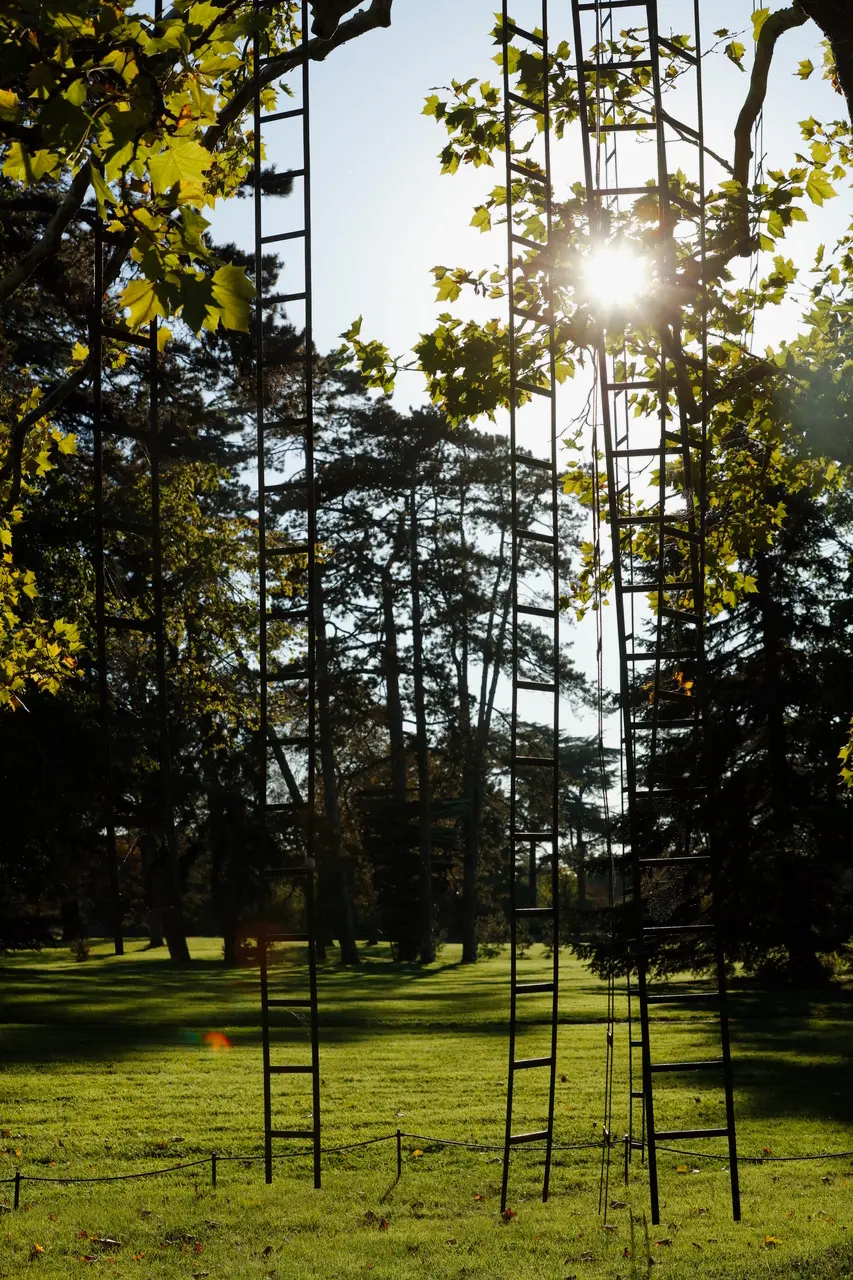
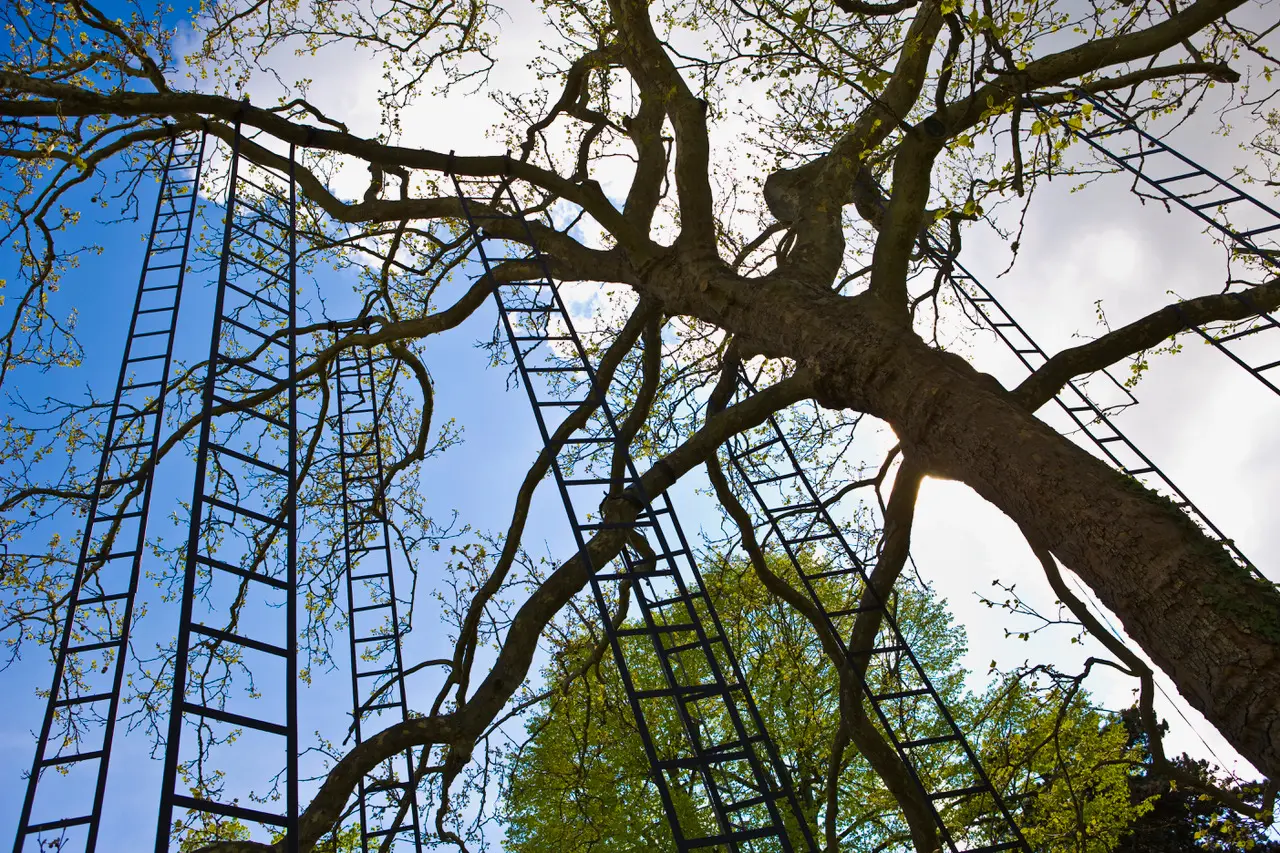
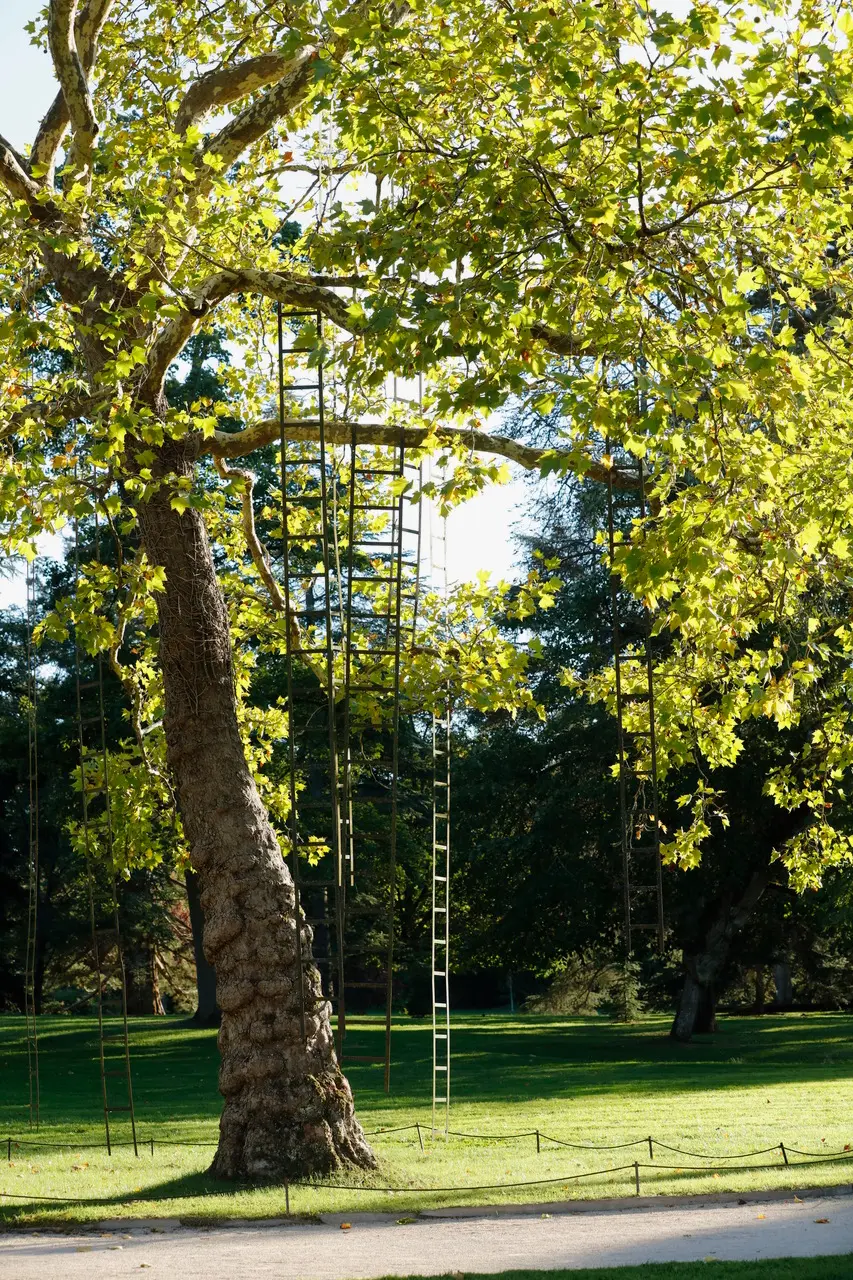
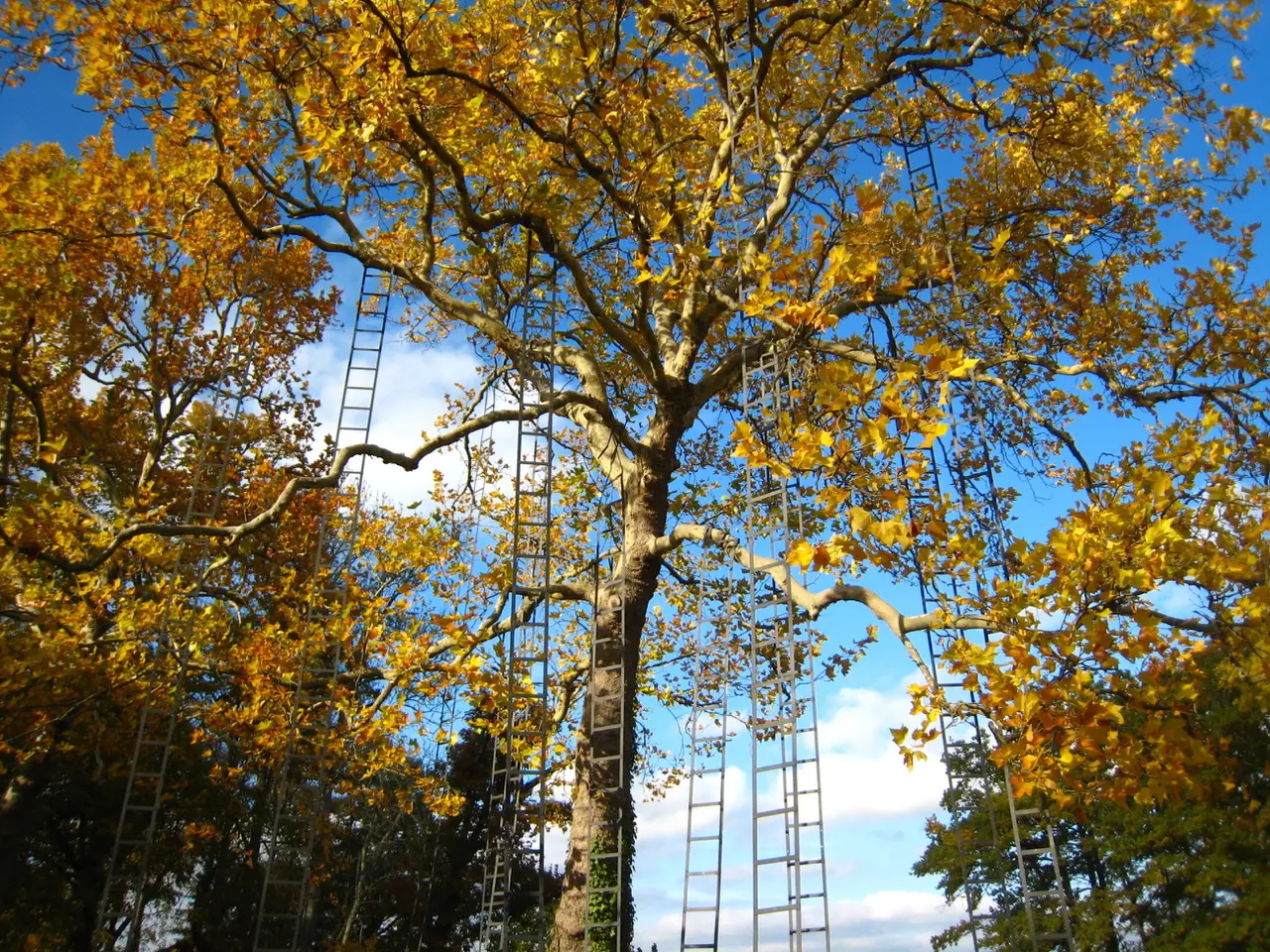
L’Arbre aux échelles features around ten rope ladders among the branches of a single tree in the Historic Grounds of the Domain of Chaumont-sur-Loire. François Méchain designed this installation specially for the Domain in 2009.
Suspended a few metres above the ground, the ladders sway gently in the wind. Together with the tree, they form a living structure whose appearance changes with the foliage and the seasons. This familiar object, associated with climbing, becomes the starting point for an imaginary journey through the branches.
The work refers to Italo Calvino’s novel The Baron in the Trees, whose hero chooses to live in the trees to free himself from the constraints of ordinary life. It invites us to imagine another way of inhabiting the landscape, looking from higher up and shifting our perspective.
Through this encounter between the plant world and a manufactured object, a tree in the grounds becomes a space for fiction. The ladders suggest possible passages into the canopy, inviting visitors to let their imaginations wander as they stroll through the grounds.
BIOGRAPHICAL NOTES
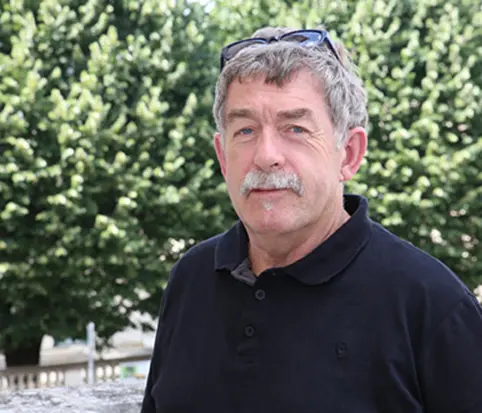
François Méchain was born in 1948 in Varaize, in Charente-Maritime, and died in 2019. A photographer, sculptor and draughtsman, he studied at the National School of Fine Arts in Bourges from 1969 to 1974. He subsequently taught photography and its history at the Saint-Étienne Higher School of Art and Design from 1977 to 2010.
His work brought together photography, sculpture and installation in an exploration of the landscape. His extensive travels led him to undertake projects in France and abroad, particularly in Canada. Attentive to the history of places, their uses and their names, he conceived works closely connected to the territories he travelled through.
In 1990, he created La Rivière Noire in Quebec, using logging debris. This project reflected his attention to changes in the landscape and the consequences of the exploitation of natural resources.
Photography was part of the very conception of his sculptures: framing, light and viewpoint guided their arrangement in space. He accompanied this research with large preparatory drawings, then produced images that extended the life of his often ephemeral installations.
His works are held in collections including those of the Musée national d’art moderne – Centre Pompidou, the Maison européenne de la photographie and the Frac Poitou-Charentes.